Biometric Wearables Reshape Live Betting Dynamics Across Soccer Fields and Racing Tracks
Sage Schmitz · Oct 7, 2026
Biometric Wearables Reshape Live Betting Dynamics Across Soccer Fields and Racing Tracks
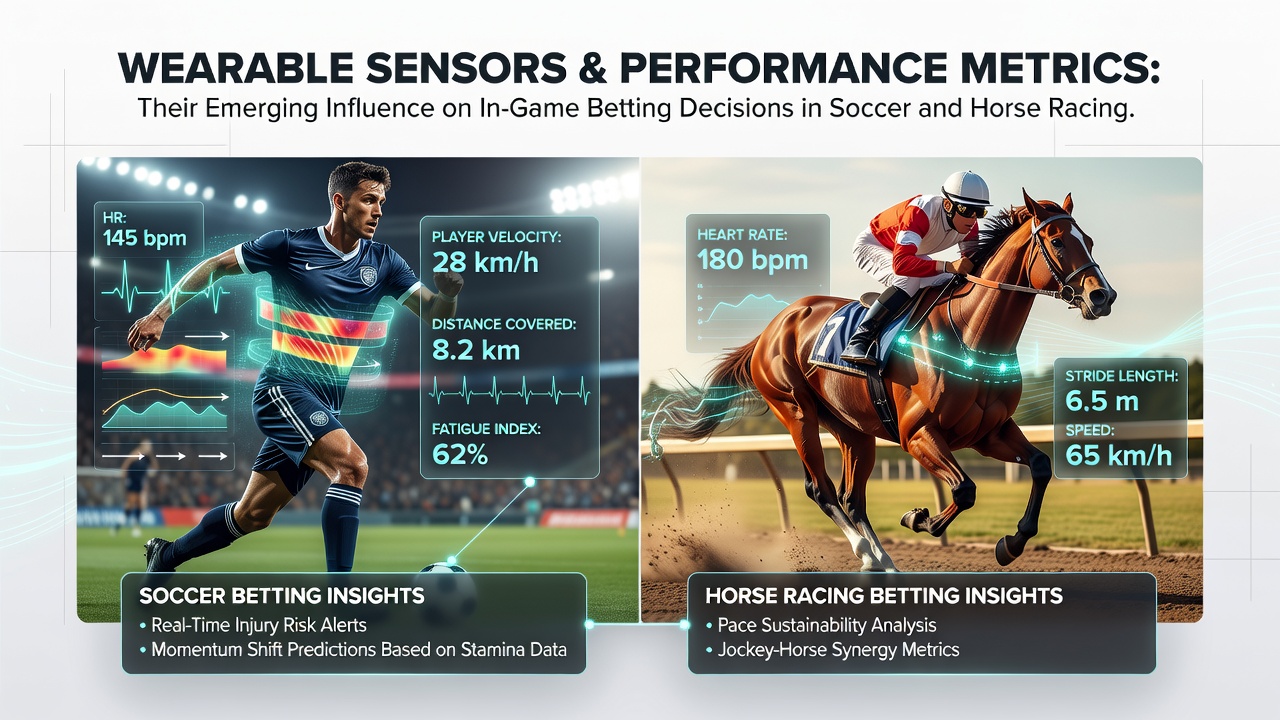
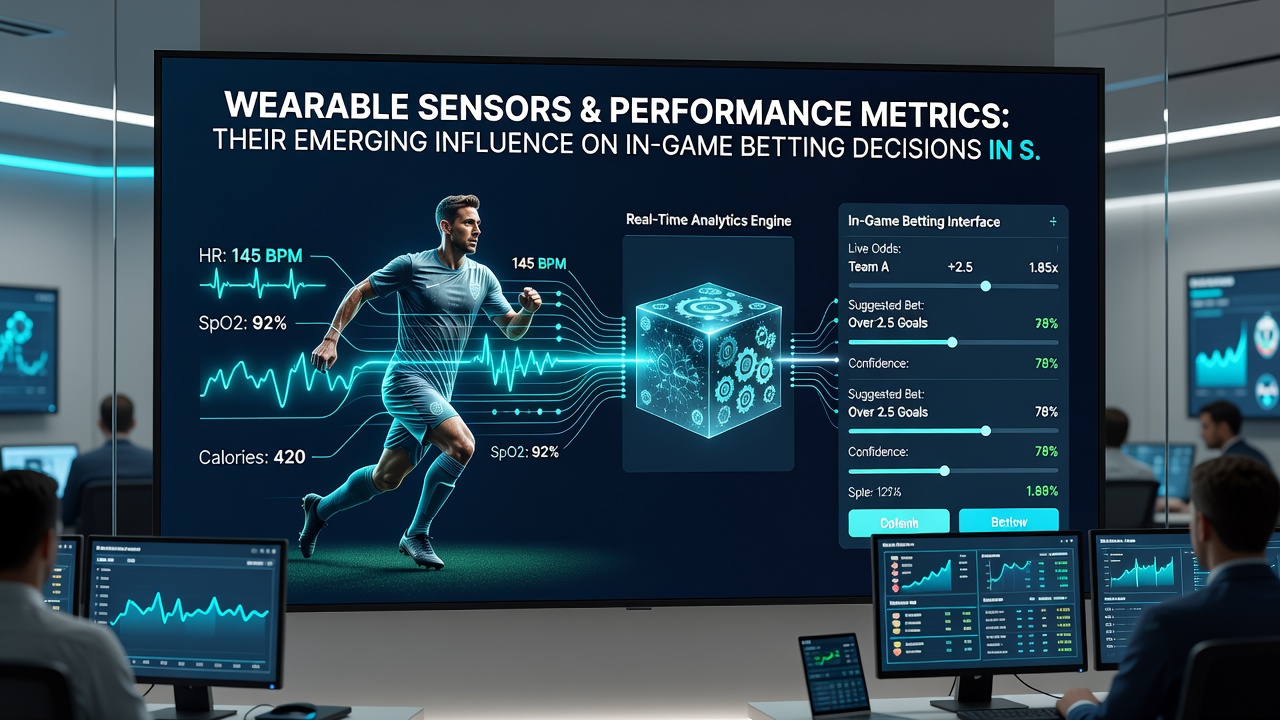
Performance data from wearable devices now feeds directly into in-game betting markets for soccer and horse racing, where operators adjust odds based on live biometric readings such as heart rate, acceleration, and stride patterns. These sensors, embedded in vests or attached to equipment, transmit continuous streams that reveal fatigue levels and workload distribution during matches and races, allowing betting platforms to refine their models in real time rather than relying solely on historical statistics or visual observation.
Studies from sports science programs show that soccer teams equipped with GPS-enabled wearables generate positional and physiological data points every second, and several betting exchanges have begun incorporating anonymized aggregates of this information into their algorithms. The result appears in shifting spreads on metrics like total distance covered by a midfielder or expected sprint output in the final 15 minutes, figures that influence accumulator decisions while the game unfolds.
Data Streams Driving Soccer Wagers
In professional soccer leagues, chest-strap monitors and smart shin guards capture metrics including player load, metabolic power, and recovery intervals between high-intensity efforts. Bookmakers integrate these readings with existing tracking systems to update live probabilities, particularly on markets tied to individual player contributions or team pressing intensity after the 60-minute mark. Observers note that when a key forward's heart-rate variability spikes above baseline, certain in-play lines on shots on target adjust within seconds, reflecting updated expectations of sustained output.
One analysis conducted across European competitions found that teams publishing workload reports from wearables experienced measurable shifts in live betting volumes on over/under cards, especially during congested fixture periods when cumulative fatigue becomes quantifiable. Data from these devices also highlights positional imbalances, such as a fullback logging fewer recoveries in the second half, information that sharpens micro-bets on set-piece concessions or counter-attack potential.
Equine Applications in Racing Markets
Horse racing has adopted similar technology through saddle pads and girth sensors that record stride length, ground reaction forces, and respiratory rates throughout a race. These readings reach timing officials and, increasingly, licensed data providers who supply them to betting operators for in-running adjustments. When a horse's stride shortens noticeably after teh halfway point, markets on finishing position or margin of victory update accordingly, giving participants access to objective indicators that supplement traditional pace maps and sectional times.
Research coordinated by the Australian Racing Board demonstrates that biometric thresholds correlate with late-race performance drops, and several international tote systems now reference these thresholds when recalculating odds mid-race. Jockey heart-rate data, collected via integrated wearables, adds another layer for markets involving ride tactics, since elevated readings can signal changes in urgency or positioning strategy that affect exacta and trifecta payouts.
Integration Patterns Emerging by Late 2026
By October 2026 regulatory frameworks in multiple jurisdictions had begun clarifying how operators may use real-time sensor feeds without compromising participant privacy, prompting expanded partnerships between device manufacturers and data aggregators. These partnerships focus on standardized output formats that allow seamless ingestion into risk-management engines, reducing latency between raw measurement and odds revision. Industry reports indicate that soccer and racing markets utilizing such feeds recorded higher turnover during evening fixtures and major festival meetings, where the volume of live wagers benefits from granular updates unavailable through camera feeds alone.
Academic work published in the Journal of Sports Analytics further outlines how machine-learning models trained on combined wearable and betting datasets improve forecast accuracy for in-play outcomes, particularly when environmental variables such as track conditions or pitch moisture interact with measured fatigue. Operators in Canada and parts of the European Union have referenced these models when expanding their in-game offerings, while maintaining compliance with local data-protection standards.
Challenges in Data Standardization
Despite rapid adoption, inconsistencies remain in sensor calibration across manufacturers, creating occasional discrepancies in reported values that require cross-verification before odds can be finalized. Racing authorities in several regions have therefore established working groups to define minimum accuracy thresholds and audit protocols, ensuring that performance metrics entering betting systems meet consistent quality benchmarks. Soccer governing bodies have followed a parallel path, publishing guidelines that encourage clubs to share aggregated rather than individualized datasets with third-party platforms.
These standardization efforts coincide with growing demand from bettors for transparent sourcing of the statistics that drive live lines, prompting operators to display data provenance alongside updated odds. The combination of biometric streams and traditional form analysis continues to evolve, yet remains anchored in verifiable measurements collected during competition.
Conclusion
Wearable sensor technology supplies objective performance indicators that operators now factor into live betting adjustments for soccer and horse racing, linking physiological readings directly to market movements. Continued refinement of data protocols and cross-regional regulatory alignment will determine how widely these metrics shape wagering decisions in coming seasons.