Britain's Betting Retail Landscape Evolves as Shops Embrace Digital Integration
Willa Vogel · Nov 18, 2026

Britain's Betting Retail Landscape Evolves as Shops Embrace Digital Integration
Britain's betting shops continue to see their numbers fall as customers move toward mobile apps and online sportsbooks yet operators respond with targeted adaptations that blend physical and digital elements. According to figures released by the UK Gambling Commission Great Britain recorded 5,617 betting shops in March 2026 which represents a 3.6 percent drop compared with the previous year while the non-remote betting sector generated £2.4 billion in gross gambling yield across the 2025–2026 financial year. These numbers reflect a broader transition that began years earlier and now shows operators investing in self-service terminals along with integrated digital accounts and enhanced in-shop features such as live sports viewing areas.
Numbers Tell the Story of Contraction
The decline in shop count tracks directly with rising smartphone penetration and the convenience of placing wagers from anywhere at any time. Data from the same regulatory source shows that remote betting channels captured an increasing share of overall activity while high-street locations adjusted their offerings to retain footfall. Observers note that many of the remaining outlets now feature rows of self-service terminals which handled 42.9 million bets during the first quarter of 2026 marking a 6 percent year-on-year increase. These terminals allow customers to place bets without queuing at counters and they integrate with online accounts so users can manage funds across both channels seamlessly.
Adaptations Keep Physical Locations Relevant
Operators have introduced several measures to make shops more appealing in a digital age. Live sports viewing zones with multiple large screens create an atmosphere that mobile apps cannot replicate while comfortable seating and refreshment options encourage longer visits. Integrated digital accounts let customers deposit or withdraw funds at terminals and sync their betting history between in-shop and remote play. This hybrid approach appears in numerous locations where staff assist with terminal use and promote features that link the shop experience to personal mobile apps. The result is a gradual shift from traditional counter service toward a mixed model that combines technology with the social element of watching events together.
Financial Performance Remains Steady Despite Fewer Outlets
Even with fewer shops the non-remote betting gross gambling yield reached £2.4 billion for the year ending March 2026 according to the UK Gambling Commission report. This figure covers all activity conducted inside betting shops including bets placed at counters and through self-service terminals. The 42.9 million bets processed via terminals in Q1 2026 alone indicate that these machines now account for a growing portion of in-shop volume. Operators report that the combination of terminals and live viewing areas helps maintain revenue per location even as total shop numbers fall. Those who have studied the sector point out that the average yield per shop has risen in recent periods because remaining outlets serve denser customer bases and offer more efficient betting options.
Regulatory Context Shapes the Transition
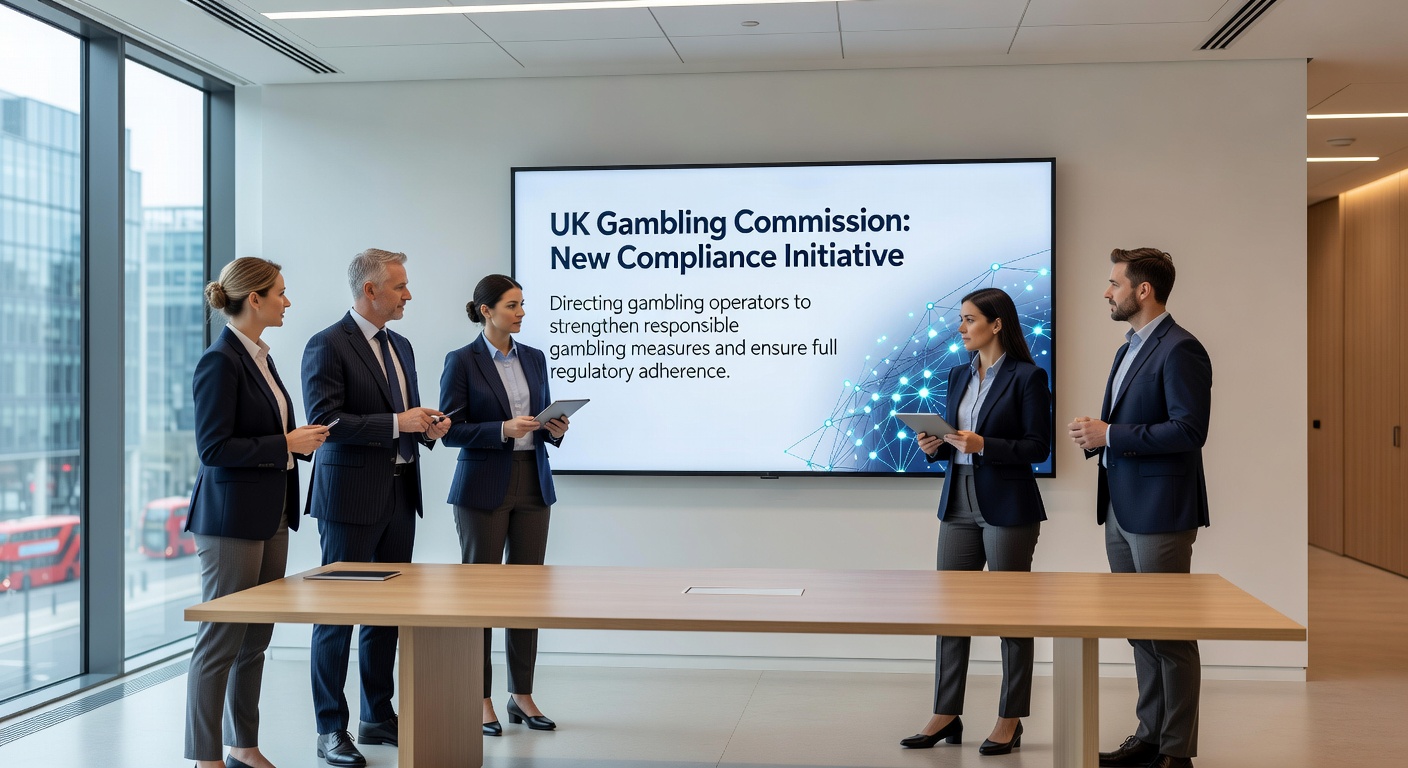
The UK Gambling Commission continues to monitor both remote and non-remote sectors closely. Its annual statistics provide the benchmark against which operators measure progress and regulators assess market health. The 3.6 percent reduction in shop numbers between March 2025 and March 2026 fits a pattern observed over several years yet the commission's data also shows sustained participation through the remaining outlets. Self-service terminals must meet the same responsible gambling standards as online platforms including age verification and spending controls. This regulatory framework ensures that the shift toward digital integration occurs within established safeguards rather than creating an unregulated environment.
Looking Ahead in Late 2026
As November 2026 approaches industry participants examine whether the pace of shop closures will slow or accelerate. The upward trend in terminal usage and the continued rollout of integrated accounts suggest operators see value in maintaining a physical presence even if the footprint shrinks. Live sports viewing and other experiential enhancements represent attempts to differentiate shops from purely online competitors. Data released by the UK Gambling Commission for the 2025–2026 period provides a baseline that future reports will build upon allowing observers to track whether these adaptations stabilize shop numbers or merely slow their decline. The £2.4 billion yield figure and the 6 percent rise in terminal bets offer concrete indicators that the sector retains significant activity despite the ongoing digital shift.
Conclusion
The facts presented by the UK Gambling Commission paint a clear picture of contraction paired with adaptation. Shop numbers fell to 5,617 by March 2026 while gross yield held at £2.4 billion and self-service terminals recorded 42.9 million bets in the first quarter alone. Operators continue to invest in digital integration and in-shop enhancements as they respond to customer migration toward mobile and online platforms. The story remains one of measured adjustment rather than outright disappearance with physical locations evolving to coexist alongside the digital channels that now dominate much of the betting market.