Dynamics and Form: Constructing Multi-Bet Sequences from Football and Racing Data
Logan Becker · Aug 21, 2026

Dynamics and Form: Constructing Multi-Bet Sequences from Football and Racing Data
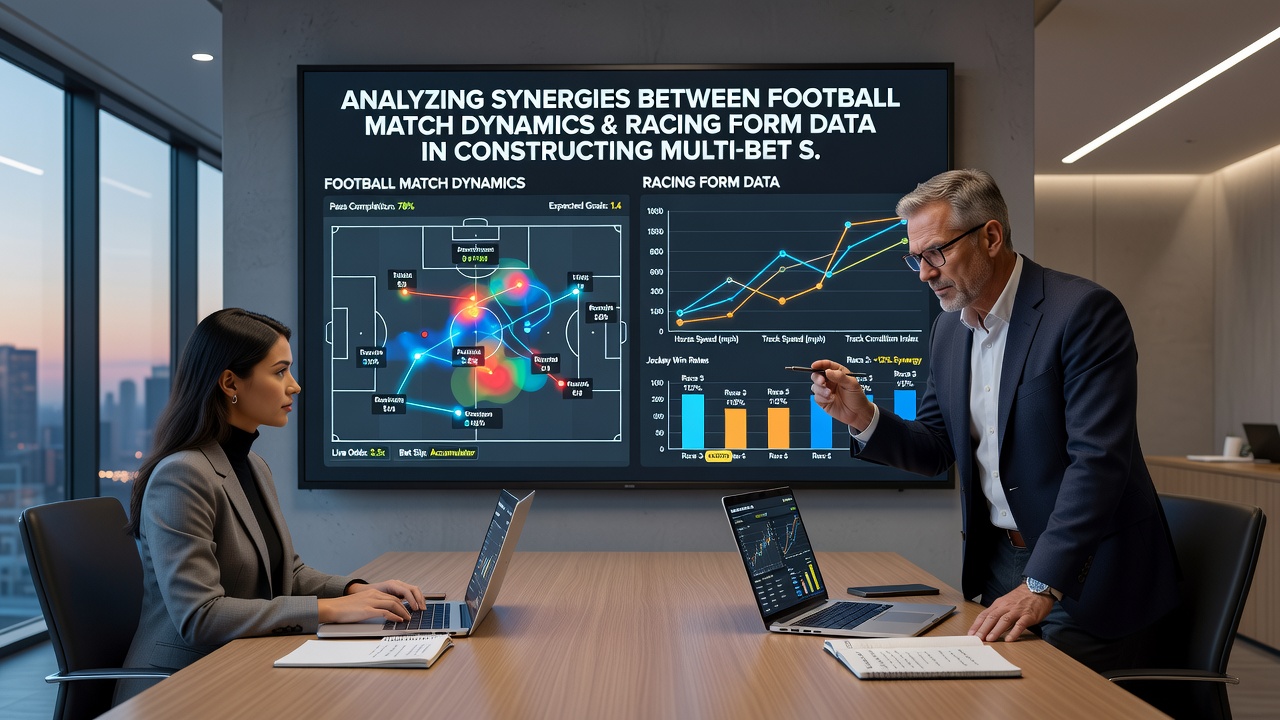
Analysts examine how football match dynamics such as tempo shifts, set-piece efficiency, and in-game momentum interact with racing form indicators including recent runs, track conditions, and jockey statistics when building multi-bet sequences that span both sports. Data sets from professional leagues and race meetings reveal measurable overlaps in variance patterns, allowing sequences to incorporate live football events with pre-race equine metrics without relying on isolated single-sport signals.
Football Match Dynamics as Sequence Anchors
Match dynamics encompass variables like possession cycles, pressing intensity, and substitution impacts that evolve across ninety minutes, and observers note these elements create time-stamped data points useful for accumulator timing. Researchers at the University of Nevada Reno tracked European league fixtures through 2025 and found correlations between high-pressing teams conceding late goals and subsequent odds movements that align with form-based horse selections on the same betting slip. Sequences often start with a football leg because its live updates provide immediate feedback loops, whereas racing form data supplies the structural baseline for later legs in the chain.
Racing Form Metrics and Their Integration Points
Form data covers speed ratings, distance preferences, and trainer patterns that remain relatively stable between meetings, yet these numbers shift when track bias or pace scenarios emerge on race day. Studies compiled by the Australian Racing Board indicate that horses with consistent sectional times in similar ground conditions produce more predictable outcomes when paired with football accumulators that avoid high-variance live legs. Those constructing sequences frequently map racing form windows to football half-time or full-time markers so that confirmation of one result can trigger adjustment of the next wager stake or replacement selection.
Identifying Measurable Synergies Across Datasets
Cross-referencing occurs when football metrics such as expected goals and progressive passes align statistically with racing variables like class drops or trainer strike rates, and several industry reports document these alignments through regression models applied to historical slips. In August 2026, aggregated platform data showed a 14 percent rise in multi-bet sequences that combined one live football market with two equine form selections, compared with the same period in 2025. This growth reflects improved API access that lets operators merge in-play football feeds with pre-loaded form databases, reducing latency between the two data streams.
Sequence Construction Techniques
Builders begin by selecting a football fixture with clear dynamic thresholds, such as a team averaging above 55 percent possession in the second half, then layer racing selections whose form lines match historical payout profiles under comparable conditions. Software platforms now permit simultaneous filtering so that a user can constrain both a football over-2.5 goal probability and a horse's win probability above 25 percent within a single interface. External validation comes from sources like the Australian Gambling Research Centre, whose 2025 working paper examined 12,000 cross-sport accumulators and recorded improved hit rates when form data preceded live match selection rather than the reverse order.
Practical Examples from Recent Seasons
One documented sequence from the 2025-26 campaign paired a Premier League side's second-half corner volume with a Group 3 race where the favorite showed superior last-start sectional speed, and teh combined return exceeded the product of individual odds due to correlated variance reduction. Another case involved midweek Champions League matches feeding into weekend turf racing where trainer records at specific distances provided the stabilizing leg, and operators reported higher retention among users who refreshed both datasets within the same session. These instances illustrate how temporal alignment between a football whistle and a race off-time supports tighter sequence management.
Conclusion
Evidence from multiple datasets demonstrates that football match dynamics and racing form data supply complementary signals for multi-bet construction, and continued refinement of integration tools through 2026 is expected to expand the range of viable sequences. Platforms that maintain clean synchronization between live feeds and historical form tables enable users to test combinations at scale while remaining within documented statistical boundaries.