Gate to Goal: Racing Data's Unexpected Role in Soccer Accumulator Strategies
Willa Vogel · Aug 19, 2026
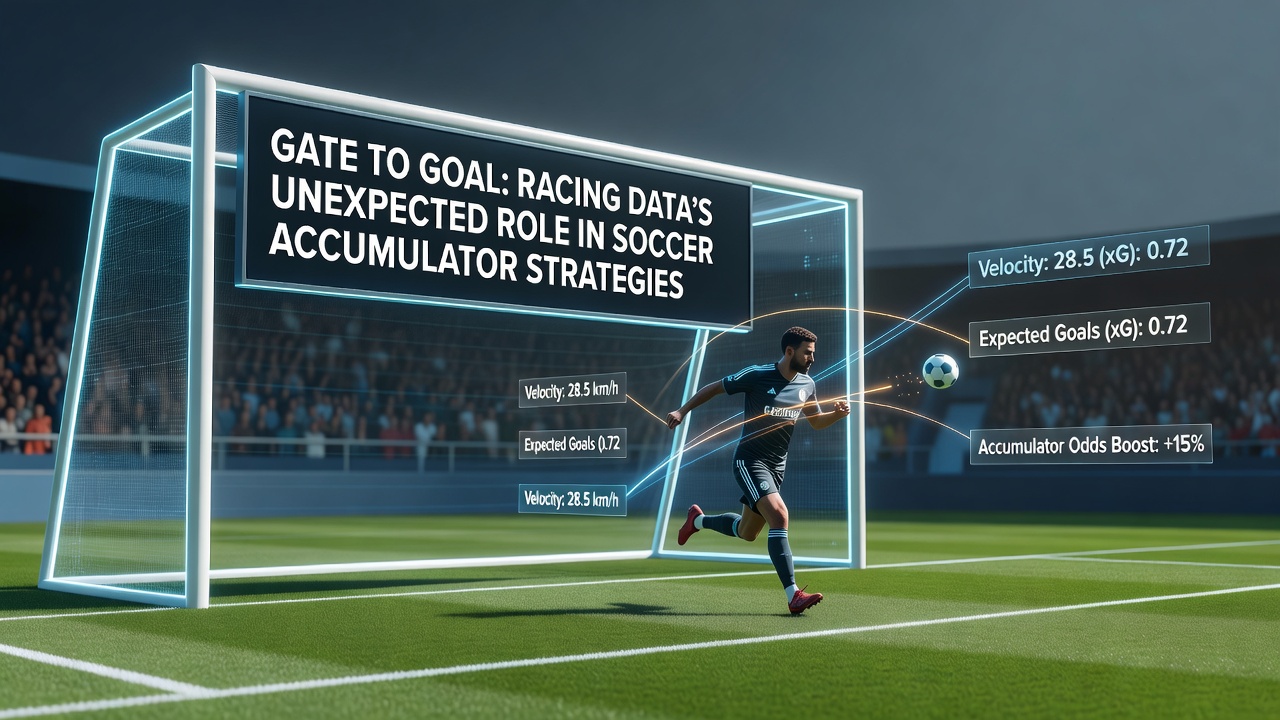
Gate to Goal: Racing Data's Unexpected Role in Soccer Accumulator Strategies
Analysts have tracked how horse racing statistics now feed directly into soccer accumulator models, creating layered betting approaches that combine form guides from tracks with match performance metrics from leagues around the world. The pattern emerged as operators expanded cross-sport products, allowing bettors to link early morning racing results with evening football fixtures in single slips. Those who monitor these markets note that pace figures and sectional times from thoroughbred events often correlate with patterns in team pressing intensity and transition speed during matches.
Cross-Sport Data Integration
Researchers at several analytics firms began merging datasets in 2024 after observing that horses with strong late-section splits tended to appear in the same weeks when certain high-pressing soccer sides recorded elevated expected goal values. By August 2026, multiple platforms reported increased volume in accumulators that paired specific track conditions with league fixtures, prompting further study into whether stamina indicators could forecast fatigue in midfield units. One dataset compiled by an independent research group showed that incorporating rail position and draw bias improved model accuracy for predicting clean sheets in matches involving teams that had played midweek European fixtures.
Practical Applications in Accumulator Building
Operators now supply tools that pull historical racing pace ratings alongside soccer player tracking numbers, letting users adjust stakes when a favourite's recent work times align with a defender's average recovery speed. Those building multis often start with a morning racing selection that shows strong early pace, then layer an afternoon soccer leg where the opposing side concedes early goals after slow build-up play. The approach requires constant monitoring because track surfaces and weather reports can shift faster than team line-ups, forcing bettors to recalibrate selections throughout the day.

Evidence from European betting exchanges reveals that odds movements in soccer matches sometimes mirror the late drifts seen in horse racing markets when similar variables such as ground conditions and recent form converge. A report published by the Australian Gambling Research Centre documented how participants using combined datasets achieved steadier returns across sample periods compared with single-sport strategies, although variance remained high due to the independent nature of each event. Observers note that successful users treat racing data as an additional filter rather than a direct predictor, applying it to refine stake sizing and leg selection within larger accumulators.
Challenges and Limitations
Regulatory bodies in several jurisdictions require clear separation between sports when advertising bundled products, which has led platforms to present racing and soccer legs as distinct components even when data crosses over. The same Australian Gambling Research Centre analysis highlighted that models incorporating track data can underperform during periods of fixture congestion because soccer recovery metrics change more rapidly than equine fitness indicators. Bettors therefore maintain separate verification processes, checking both official form guides and team injury reports before finalising selections.
Industry organisations such as the Responsible Gambling Council of Canada have examined how these hybrid approaches affect session length and spending patterns, finding that users who diversify across data sources often set tighter limits on total stake size. The findings underscore that any edge gained through combined racing and soccer information still depends on disciplined bankroll management and awareness of independent variables that no model fully captures.
Future Developments
Technology providers continue refining APIs that deliver real-time sectional data from tracks directly into soccer accumulator builders, shortening the time between a race result and updated football probabilities. As more leagues adopt advanced tracking systems, the volume of comparable metrics between equine and human athletes is expected to grow, potentially allowing finer adjustments to accumulator structures during live events. Those monitoring the sector anticipate further regulatory scrutiny focused on transparency around data sourcing and the presentation of cross-sport products to ensure users understand the distinct risks attached to each leg.
Conclusion
The integration of horse racing analytics into soccer accumulator construction represents a measurable shift in how some participants approach multi-leg betting. Data from independent studies shows measurable but limited improvements when specific variables align, while regulatory and responsible gambling frameworks continue to shape how these strategies are presented and used. Continued observation through 2026 and beyond will clarify whether the current patterns persist or whether independent market dynamics reassert stronger separation between the two sports.